
NFL
JK Rowling caused a stir when she called transgender Paralympic athlete Valentina Petrillo a ‘cheater’, fiercely defending women’s sports. Read here 👉

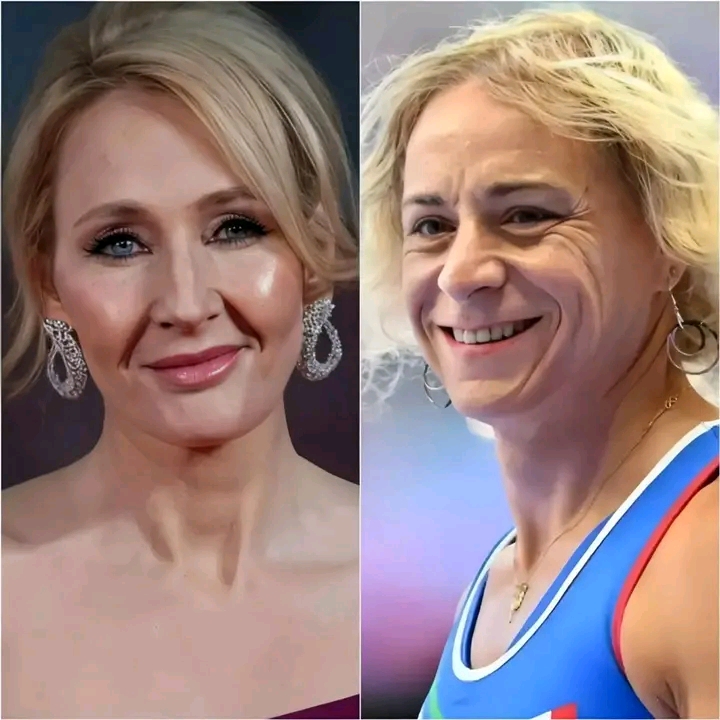
J.K. Rowling Sparks Controversy by Calling Transgender Paralympian Valentina Petrillo a ‘Cheater,’ Defends Women’s Sports
JK. Rowling, the globally renowned author of the Harry Potter series, has once again found herself at the center of a heated controversy. This time, the outspoken writer is making headlines for calling Valentina Petrillo, a transgender Paralympic athlete, a “cheater” in a fiery social media post. The comment has ignited a passionate debate about the inclusion of transgender athletes in women’s sports and the boundaries of fairness in competition.
Rowling’s remarks have polarized the public, drawing both praise and condemnation as the conversation around gender identity and athletic integrity continues to evolve.
Rowling’s Stance: “Women’s Sports Must Be Protected”
J.K. Rowling is no stranger to controversy when it comes to her views on gender identity. Over the past few years, the author has become a prominent voice in the global debate on transgender rights, often focusing on the impact of gender identity policies on women’s rights and spaces.
In her latest statement, Rowling took aim at Valentina Petrillo, a visually impaired transgender athlete who has competed in several women’s Paralympic events. Petrillo, who transitioned in her 40s, has faced criticism from some quarters for allegedly having an unfair advantage due to her male physiology.
Rowling didn’t mince words.
“Competing in women’s sports while retaining the physical advantages of male biology is not fair—it’s cheating,” she wrote on X (formerly Twitter). “Women’s sports exist to provide a level playing field for female athletes. We must protect that integrity.”
The Athlete at the Center of the Storm: Valentina Petrillo
Valentina Petrillo, an Italian sprinter, has made headlines not only for her athletic achievements but also for the controversy surrounding her eligibility to compete in women’s events. Petrillo, who has openly shared her journey as a transgender athlete, argues that she competes in accordance with the rules set by governing bodies, which often include hormone therapy and other measures to level the playing field.
Despite following these guidelines, Petrillo’s participation has sparked a debate about whether transgender athletes, even with reduced testosterone levels, retain physical advantages such as muscle mass, bone density, and lung capacity—factors that could give them an edge over cisgender female competitors.