
NFL
FBI & DEA Raid Somali Family Network in Chicago — $3.2M Cocaine Seized, 37 Arrested Before dawn, armored vehicles rolled through the frozen streets of Southside Chicago as more than 200 federal agents launched one of the most aggressive cartel crackdowns the Midwest has seen in years. By noon, warehouses were emptied, servers seized, and dozens of suspects in handcuffs. But what investigators uncovered went far beyond drugs—it exposed an alleged logistics empire tied to the Sinaloa Cartel, stretching from Illinois to Minnesota, and a corruption network that prosecutors say helped it survive for nearly a decade. The full breakdown of how “Project Crescent Blade” operated is unfolding—see the complete story at the link in the comments below. FULL ARTICLE:

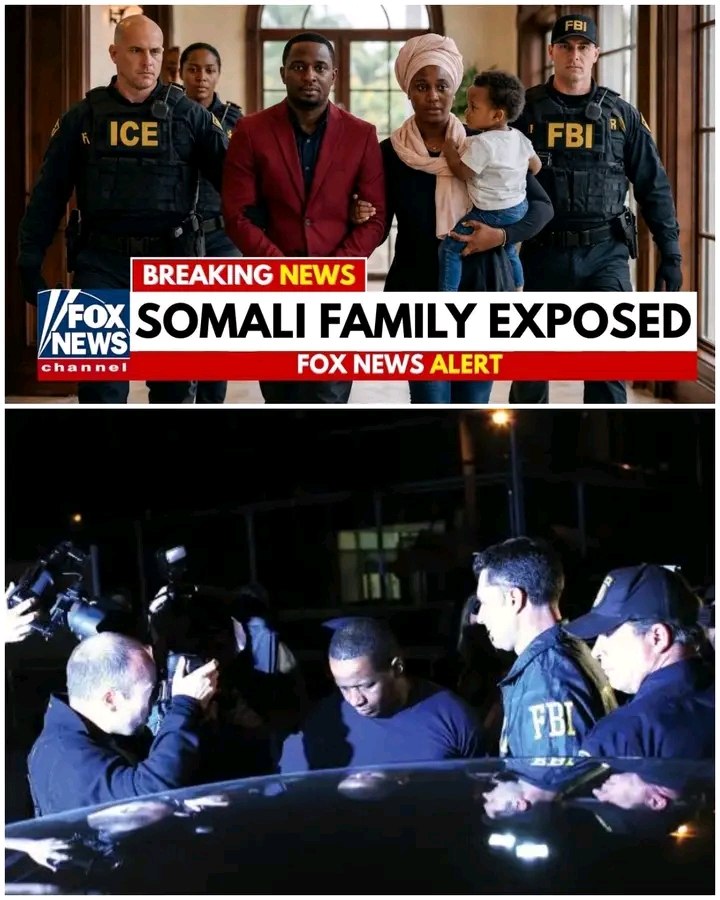
FBI & DEA Raid Somali Family Network in Chicago — $3.2M Cocaine Seized, 37 Arrested
At 4:32 a.m., federal teams executed coordinated search and arrest warrants at 12 locations across Chicago and surrounding suburbs. The operation followed a week-long New England crackdown that, according to the DEA, resulted in nearly 200 arrests of individuals identified as Sinaloa Cartel members. The Midwest phase, dubbed Operation Iron Crescent by federal authorities, targeted what prosecutors describe as one of the cartel’s most sophisticated distribution hubs in the United States.
Agents from the FBI, DEA, ICE, ATF, and local task forces breached warehouses, mechanic shops, storage facilities, and residential properties believed to function as stash houses and money-laundering fronts. According to preliminary federal statements, more than 800 kilograms of cocaine, approximately 1.2 million fentanyl pills, 300 kilograms of methamphetamine, 17 kilograms of heroin, $3.2 million in cash, and 73 firearms were seized during the coordinated rai
Inside a primary warehouse near East 95th Street, investigators discovered what officials described as a “high-volume narcotics distribution center.” Industrial shelving held vacuum-sealed cocaine packages. Counterfeit oxycodone and Xanax pills—pressed with fentanyl—were packaged for retail distribution. Methamphetamine was concealed in containers labeled as imported spices. Heroin bricks bore insignia linked to Sinaloa trafficking cells.
The turning point came in a locked rear office.
Behind a concealed wall panel, agents located a steel server rack connected to satellite uplink equipment. FBI cyber specialists conducted an on-site seizure before transferring the hardware to a digital forensics lab downtown. Within hours, analysts began decrypting files that prosecutors say revealed a structured logistics and financial system operating under the internal codename Project Crescent Blade.
Illusion of Justice: Human Rights Abuses in US Terrorism Prosecutions | HRW
According to court filings, the servers contained seven years of transaction logs, shell company registrations, encrypted communications with cartel leadership in Sinaloa, Mexico, and digital signatures authorizing major shipments across the Midwest. Investigators allege that each major distribution decision bore the encrypted approval of Hassan “Blackwolf” Nur, identified as the regional coordinator.
Nur, born in Mogadishu and later resettled in Chicago, allegedly built the network using family and community ties. Federal prosecutors say he leveraged legitimate businesses—import-export firms, trucking contractors, grocery franchises, and restaurant chains—to disguise narcotics movement and launder proceeds.
Shell companies reportedly claimed to ship coffee beans, textiles, and frozen halal meat. Instead, authorities allege, shipments concealed cocaine and fentanyl inside modified compartments welded into truck undercarriages. Refrigerated transport routes allowed product to move between Chicago, Minneapolis, Detroit, Milwaukee, Indianapolis, and Kansas City without drawing routine scrutiny.

“Save my wife…” – Prince Harry was devastated when he received the news that Meghan Markle had a tumor similar to Kate’s: “The doctor shook his head and said that…” See more below 👇👇👇

We are expecting our third baby!!!’ Meghan Markle SHOCKS the world with a midnight revelation – pregnant again! Tears, joy, and disbelief sweep across the globe… Will this unborn child become the turning point that forever changes the destiny of the Royal Family? See more:
Premierowi aż poszło w pięty 😱
Ten 4-latek może wygrać “Mam talent”! Ludzie są nim oczarowani – “GENIUSZ!” Ten 4-latek może wygrać “Mam talent”! Ludzie są nim oczarowani – “GENIUSZ!”
Cała Polska we łzach 😭💔
Szokujące informacje!
Nie przebierał w słowach!
W polskiej miejscowości doszło do dramatu 😱
Pogrzeb Doroty Szelągowskiej już zaplanowany. Szokujące wieści obiegły media

FBI & DEA Raid Somali Family Network in Chicago — $3.2M Cocaine Seized, 37 Arrested Before dawn, armored vehicles rolled through the frozen streets of Southside Chicago as more than 200 federal agents launched one of the most aggressive cartel crackdowns the Midwest has seen in years. By noon, warehouses were emptied, servers seized, and dozens of suspects in handcuffs. But what investigators uncovered went far beyond drugs—it exposed an alleged logistics empire tied to the Sinaloa Cartel, stretching from Illinois to Minnesota, and a corruption network that prosecutors say helped it survive for nearly a decade. The full breakdown of how “Project Crescent Blade” operated is unfolding—see the complete story at the link in the comments below. FULL ARTICLE:

15 MINUTES AGO! Travis Kelce shared his first photo from his hospital bed, finally confirming the rumors that had been swirling for weeks. He admitted to undergoing a private medical treatment — with positive results. Yet the beloved NFL star confessed: “This is only the beginning.” A statement from his team stunned fans worldwide: “It turns out Travis Kelce was battling…” Read more:
